August 31, 2026
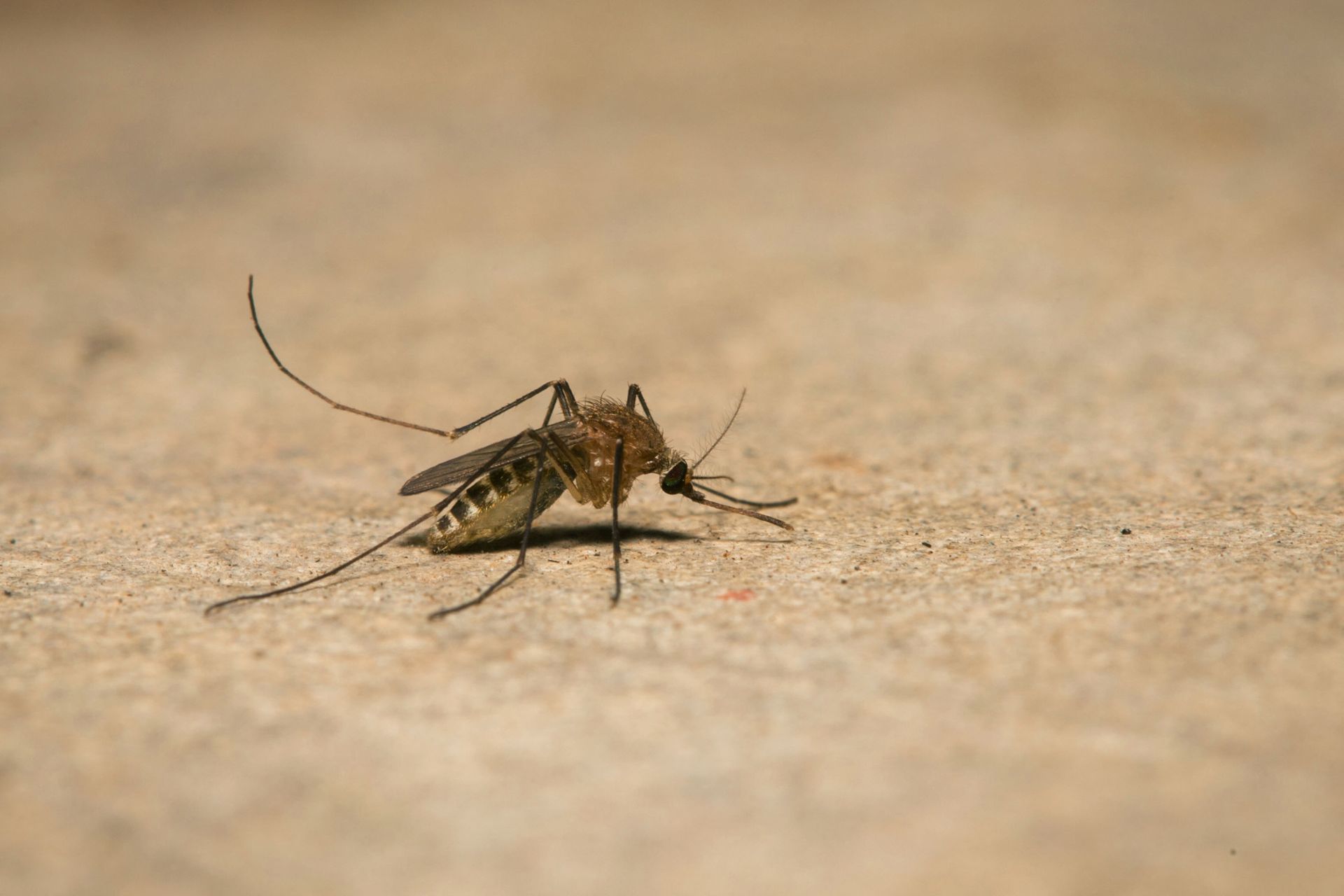
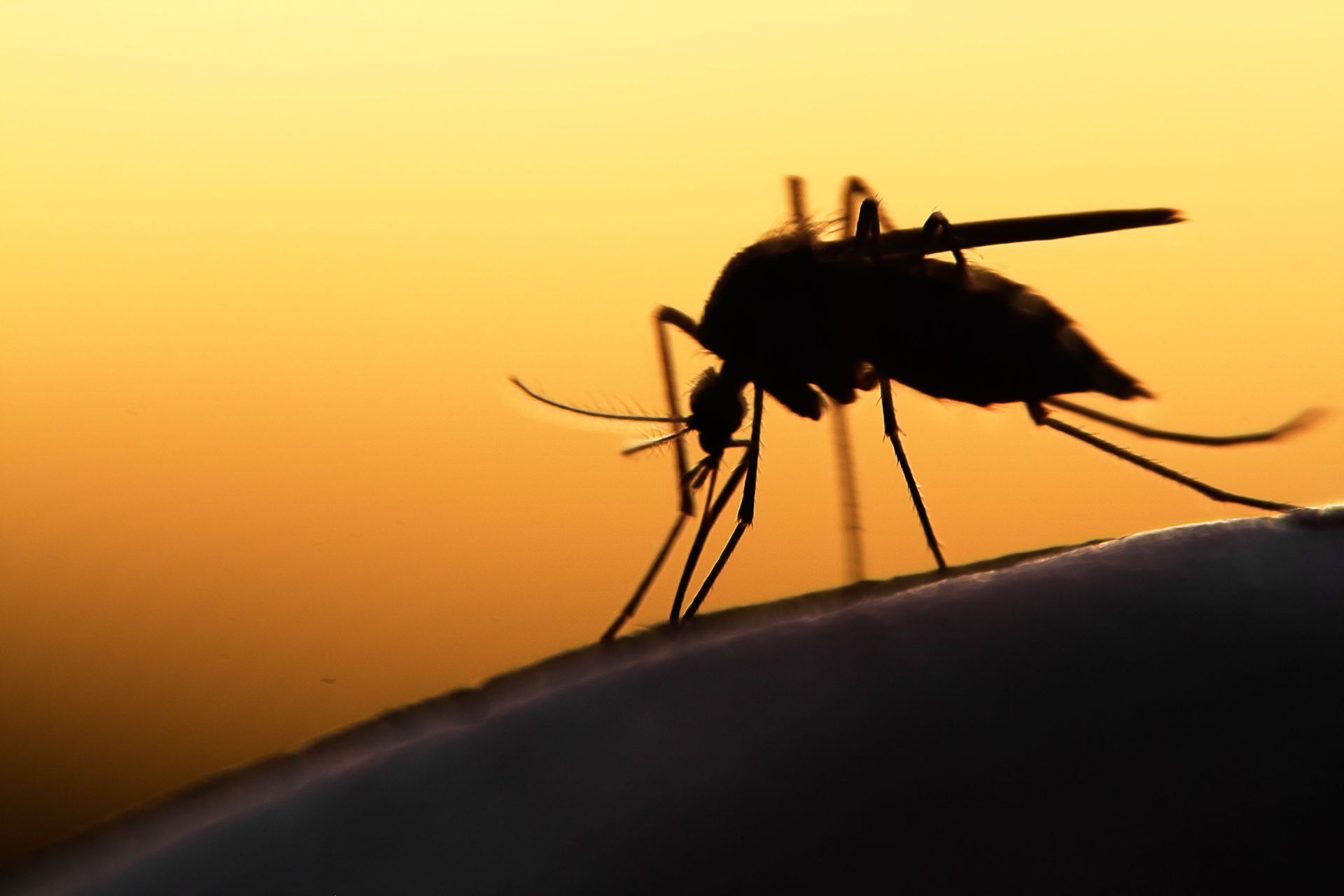
Mosquito control is essential for homeowners because mosquitoes are not only a nuisance but also pose significant health risks. Diseases such as the West Nile virus, Zika virus, and malaria are transmitted by mosquitoes, making them more than just an irritating presence around the home. Let's explore a few strategies to keep mosquitoes at bay, including understanding their life cycles, identifying breeding grounds, employing barriers and repellents, and accessing community resources. By doing so, you can protect yourself and your family from the discomfort and health risks associated with mosquitoes.
Understanding Mosquito Habits and Life Cycle
Mosquitoes thrive in specific habitats that align with their breeding and feeding requirements. They're often found near standing water, such as ponds, marshes, and even artificial containers like buckets and birdbaths. Understanding these habitats is crucial for effective mosquito control, as it allows homeowners to target potential breeding sites and reduce populations.
The life cycle of mosquitoes is another critical aspect of their management. It involves four stages: egg, larva, pupa, and adult. According to the CDC, adult mosquitoes usually live for about two to four weeks, depending on species and environmental conditions such as humidity and temperature, with females generally outliving males. Interrupting the breeding cycle at any stage can significantly reduce mosquito numbers. Recognizing and disrupting these stages is an essential strategy for effective mosquito control.
Different species of mosquitoes exhibit various behavioral patterns and feeding times. For instance, some are more active during the day, while others feed primarily at dawn or dusk. This variance in behavior means control methods must be tailored to the specific mosquito types present in residential areas. By understanding these habits, homeowners can better predict mosquito activity and implement targeted control measures.
Identifying Standing Water Sources
Many household items can inadvertently become breeding grounds for mosquitoes by collecting water. These include flower pots, pet bowls, gutters, and even discarded tires. Regularly checking these items and ensuring they are drained reduces potential mosquito breeding sites.
Outdoor drainage is another common issue leading to standing water accumulation. Blocked or poorly designed drainage systems can create pools where mosquitoes thrive. Homeowners should ensure that their property's drainage systems are functioning correctly to avoid these problems. Regular maintenance can prevent stagnant water from becoming a habitual part of the landscape.
Gardening practices also play a vital role in minimizing standing water. Planting in raised beds, using well-draining soil, and maintaining proper irrigation techniques can help. Additionally, water features like fountains and ponds should include aeration or filtration systems to prevent mosquito breeding. Incorporating these strategies not only helps control mosquitoes but also contributes to healthier garden environments.
Implementing Physical Barriers and Indoor Protection
Window screens are a highly effective physical barrier to prevent mosquitoes from entering homes. Regular inspection and repair of screens ensure no tears or gaps that mosquitoes can slip through. Installing screens on all windows and doors provides peace of mind and reduces the need for additional repellents indoors.
Mosquito nets offer another layer of protection, particularly for sleeping areas and outdoor patios. They can effectively shield individuals from mosquito bites during peak activity hours. Whether hung over beds or used to encase patio furniture, nets are a practical solution for those who prefer chemical-free protection. Their portability also makes them convenient for travel and camping.
Sealing entry points in the home is crucial for preventing mosquito access. Any gaps in walls, doors, or windows should be sealed to block entry routes. Benefits of air conditioning and fans extend beyond comfort; they can make indoor environments less hospitable to mosquitoes by drying out the air and disrupting their flight.
Designing Landscapes to Reduce Mosquito Attraction
Certain plants naturally repel mosquitoes, making them a valuable addition to home landscapes. Planting citronella, lavender, and marigolds around patios and walkways can deter mosquitoes due to their fragrant oils. These plants offer aesthetic and aromatic benefits while providing an added layer of mosquito control.
Proper yard maintenance can significantly decrease mosquito habitats. Regularly trimming the lawn, removing debris, and ensuring vegetation does not become overly dense limits places for mosquitoes to hide. This maintenance routine creates an environment that is less conducive to mosquito survival.
Natural predators, such as birds and bats, play a role in mosquito control. Encouraging these creatures by providing nesting boxes or planting native trees and shrubs can increase their presence in gardens. This biological control supports a balanced ecosystem while also contributing to reduced mosquito numbers.
Using Chemical and Natural Repellent Options
Chemical repellents remain a popular choice for directly deterring mosquitoes. These repellents provide significant protection, especially in heavily infested areas. However, users should follow application instructions carefully to avoid potential health risks.
Natural repellents, such as essential oils, offer an alternative to synthetic chemicals. Oils from lemon eucalyptus, citronella, and peppermint have shown mosquito-repelling properties. While often seen as more environmentally friendly, their effectiveness can vary, and they may require more frequent application than chemical counterparts.
Proper application techniques and crucial safety considerations are paramount when utilizing any form of mosquito repellent, ensuring you maximize protection while minimizing potential health hazards. Applying repellents exclusively to exposed skin and outer clothing prevents unnecessary exposure, as spraying products underneath clothing traps the active chemicals against the skin and accelerates unwanted absorption into the body. Care must be taken to completely avoid open cuts, scrapes, sunburns, or existing rashes, which reduces the likelihood of severe stinging, localized irritation, or toxic chemical uptake into the bloodstream.
When protecting the facial area, it's best practice to spray the formulation onto your hands first before carefully rubbing it in, taking extreme care to avoid sensitive mucous membranes around the eyes, nostrils, and mouth. Performing a spot patch test on a small, inconspicuous area of skin prior to extended use can identify any hidden allergic reactions, sensitivities, or contact dermatitis before full-body coverage. Ultimately, selecting the right repellent requires a thoughtful approach that balances the overall chemical efficacy and duration of protection against individual health needs, skin sensitivities, and broader environmental impacts.
Accessing Community and Expert Resources
Working with local mosquito control programs can supplement individual efforts. Many communities have initiatives in place to treat public areas and advise homeowners on best practices. Collaboration with these programs can lead to more comprehensive control and reduced mosquito populations throughout a neighborhood.
Consulting mosquito control professionals can provide targeted solutions for severe mosquito infestations. These experts can assess a property and recommend specific treatments tailored to its unique needs. Their expertise is invaluable, particularly for larger properties or those near natural bodies of water where mosquitoes thrive.
Educational resources and community initiatives provide ongoing learning opportunities for effective mosquito control. Workshops, online courses, and informational brochures can keep homeowners informed of the latest treatment methods and innovations. Staying updated ensures that control measures remain effective as conditions and mosquito populations change.
Effective mosquito control involves understanding their life cycles, interrupting their breeding, and employing a combination of physical, chemical, and community strategies. By actively implementing the steps outlined, you can enjoy a more comfortable and healthier living space. Proactive mosquito control not only protects individual homes but also contributes to the well-being of entire communities. Encouraging neighbors to adopt similar practices can exponentially enhance these efforts. To learn more about how to combat mosquito infestations, reach out to Mosquito & Tick Away today!