October 28, 2026
Mosquito activity can make it difficult to enjoy outdoor living spaces, particularly during warmer months. Understanding where mosquitoes develop and how outdoor conditions affect their presence can help homeowners make informed decisions about pest management. Professional mosquito control services can address relevant areas of a property, including lawns, foundation shrubs, and wooded edges. Treatment options, application methods, and seasonal scheduling all play a role in managing mosquito activity around the home.
Common Mosquito Patterns
Understand the Mosquito Life Cycle
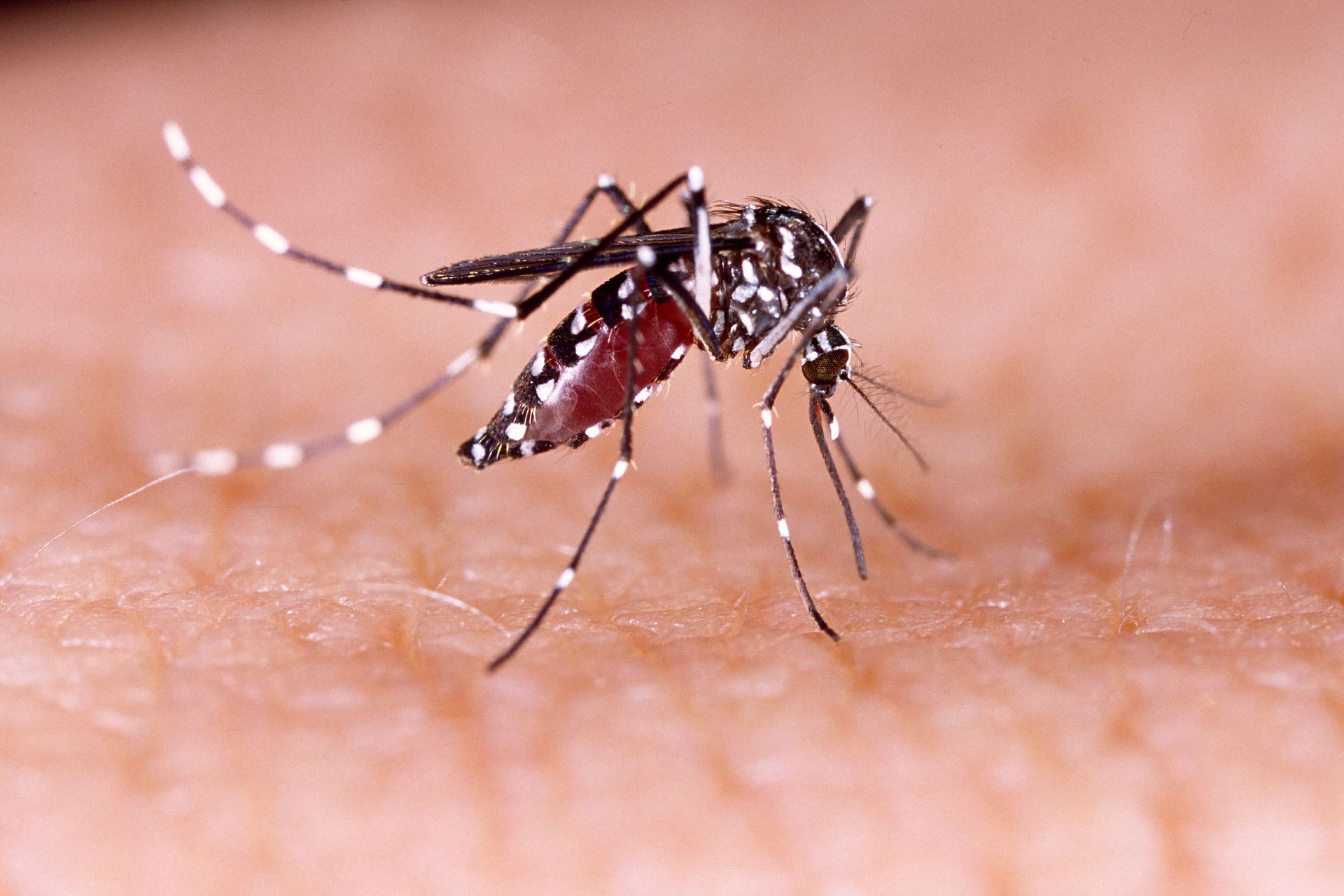
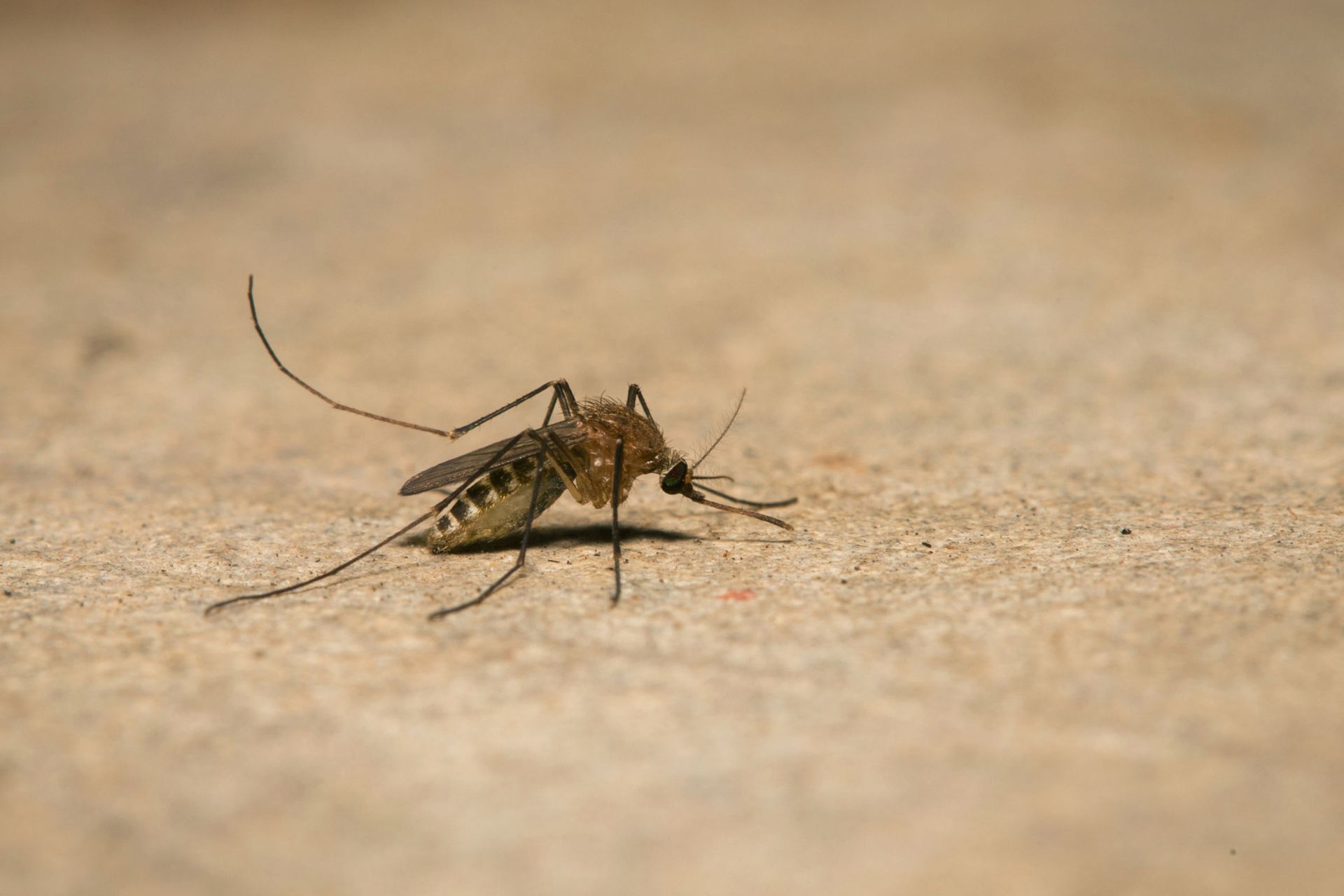
Mosquitoes develop through four stages: egg, larva, pupa, and adult. Eggs are generally laid in or near water, where conditions allow them to develop and hatch. The larvae live in water before developing into pupae, which eventually emerge as adult mosquitoes. Understanding this life cycle provides context for why standing water and outdoor conditions matter when managing mosquito activity. According to the American Mosquito Control Association (2026), there are over 3,700 species of mosquito worldwide and at least 176 species in the United States.
Homeowners can pay attention to places where water collects around their properties, including outdoor containers and other areas that retain moisture. Removing standing water when practical can help limit potential breeding opportunities. These preventive steps complement professional mosquito control services, which address mosquito activity across relevant outdoor areas.
Recognize Favorable Conditions
Warm weather and suitable moisture conditions can contribute to increased mosquito activity. Shaded areas, vegetation, and places where water collects may also warrant attention when evaluating outdoor pest concerns. Conditions vary between properties, so homeowners can consider where mosquitoes are most noticeable.
Regularly checking the yard for standing water is a practical preventive measure. Containers that collect rainwater can be emptied when appropriate, while other sources of accumulated water can be addressed when feasible. These measures can complement a professional treatment plan but do not replace treatments intended to manage mosquito populations around a property.
Plan for Seasonal Changes
Mosquito activity often increases during warmer periods of the year. Seasonal changes can affect how frequently homeowners encounter mosquitoes and when outdoor pest management becomes a priority. Planning mosquito control services around recurring mosquito activity can help homeowners organize their approach to maintaining outdoor spaces.
Simple Outdoor Prevention
Remove Standing Water
Standing water can provide conditions that support mosquito development. Homeowners can check outdoor containers, planters, and other suitable areas where rainwater collects. Emptying containers and preventing unnecessary water accumulation can reduce potential breeding opportunities around the home.
Check Shaded Areas
Shrubs, trees, and wooded property edges are relevant considerations when planning outdoor mosquito control. When considering mosquito control services, homeowners can note where mosquito activity is most noticeable and identify the areas they want included in treatment coverage. Lawn spaces and landscaping around the home's foundation may also be important parts of the overall property.
Professional treatments can cover lawn areas, foundation shrubs, foundation areas, trees, and wooded edges. This approach focuses on applying treatments to relevant outdoor spaces rather than requiring homeowners to remove vegetation or undertake landscaping work. Homeowners can discuss the areas of their property they want addressed when arranging service.
Professional Mosquito Treatments
Evaluate Property Coverage
Mosquito control services can cover lawns, foundation shrubs, foundation areas, trees, and wooded edges as part of a property treatment plan. The property's layout and the homeowner's concerns help determine which areas require attention. Considering these areas can help homeowners understand the intended scope of an application.
Hydraulic spray equipment allows treatments to reach across outdoor spaces, including up to 30 feet into wooded edges. This extended reach helps cover areas beyond the immediate lawn. Treating multiple relevant areas provides a more comprehensive approach to outdoor mosquito management than focusing on a single section of the yard.
Choose Organic Treatments
Organic mosquito control treatments offer an option for homeowners who prefer formulations marketed as using natural ingredients. The company's organic treatment approach includes plant-based ingredients and essential oils. These formulations are available for mosquito and tick management, allowing customers to consider their treatment preferences when planning outdoor pest control.
Homeowners should review the specific application instructions associated with their selected treatment. Product ingredients, application directions, and precautions should guide decisions about using treated outdoor spaces. Choosing an organic formulation does not eliminate the need to follow the applicable safety instructions.
Consider Synthetic Treatments
Traditional synthetic treatments provide another option for managing mosquito activity. These formulations are part of the company's conventional pest control approach and are available for mosquito and tick treatments. Customers can consider the available options and discuss their preferences when arranging services.
The choice between organic and synthetic formulations can be considered alongside the property's layout and the areas requiring treatment. Both options are intended to address outdoor pest concerns through professional applications. The selected approach should reflect the available services and the homeowner's needs.
Additional Outdoor Pests
Address Tick Activity
Ticks are another outdoor pest concern that homeowners may encounter around lawns, shrubs, and wooded property edges. Tick control treatments provide an option for managing tick activity in relevant outdoor areas. Treatment coverage can include foundation shrubs, foundation areas, and wooded edges as part of the property's broader pest management plan.
Organic and synthetic treatment options are available for tick control. Homeowners can consider their preferences and the property's needs when choosing a treatment approach. Reducing tick activity around outdoor spaces is a separate consideration from mosquito management, even when both services are included in a broader treatment plan.
Manage Flea Activity
Fleas can create concerns around residential properties, particularly when their presence affects the use of outdoor spaces. Professional flea control treatments are intended to reduce flea activity in relevant areas around the property. Targeted applications can form part of a plan for addressing existing concerns and managing the risk of recurring activity.
Property treatments should not be confused with veterinary care or direct treatment of pets. Homeowners should follow the instructions provided for the selected pest control application. They should also seek appropriate animal-care guidance when pets require flea treatment.
Protect Landscaping From Deer
Deer can browse on garden plants, shrubs, and other landscaping, creating concerns for homeowners who want to maintain their outdoor spaces. Deer repellent treatments offer a separate service intended to discourage deer from feeding on treated areas. Applications can be directed toward relevant landscaping and plants that experience browsing activity.
Seasonal Pest Planning
Match Services to Your Needs
Outdoor pest concerns can involve more than one type of pest. Homeowners experiencing mosquito activity may also have concerns about ticks, fleas, or deer damaging landscaping. Identifying the specific problems affecting a property helps clarify which services are relevant without assuming that every treatment is necessary for every home.
Available services address different concerns, so treatment plans should reflect the homeowner's priorities. Mosquito control, tick control, flea control, and deer repellent serve distinct purposes. Understanding these differences helps homeowners make informed decisions about the services that fit their outdoor spaces.
Maintain a Practical Routine
Regularly checking outdoor areas, removing standing water when practical, and preparing the property for scheduled applications can support an organized approach to pest management. Homeowners can also consider seasonal scheduling when mosquito activity becomes a recurring concern. These steps provide a practical foundation for managing outdoor spaces alongside professional treatments.
For homeowners looking to manage outdoor pests, Mosquito & Tick Away offers treatments for mosquitoes, ticks, and fleas, along with deer repellent applications to help protect landscaping. With organic and synthetic treatment options and seasonal mosquito control packages, homeowners can choose services suited to their property and outdoor concerns. To learn more about available treatments, visit Mosquito & Tick Away online.